AI tools have become our brainstorming partners, writing assistants, and creative sounding boards. They generate ideas on demand — and that's precisely the problem. Because while AI is remarkable at synthesizing existing knowledge, it is constitutionally incapable of the kind of thinking that produces genuine breakthroughs. And if we're not careful, it can train us out of that capacity, too.
A brilliant Instagram comic by This Ecommerce Life (@thisecommercelife) captures this risk with devastating clarity. The premise is simple, and the execution is hilarious — until you realize it's not really a joke.
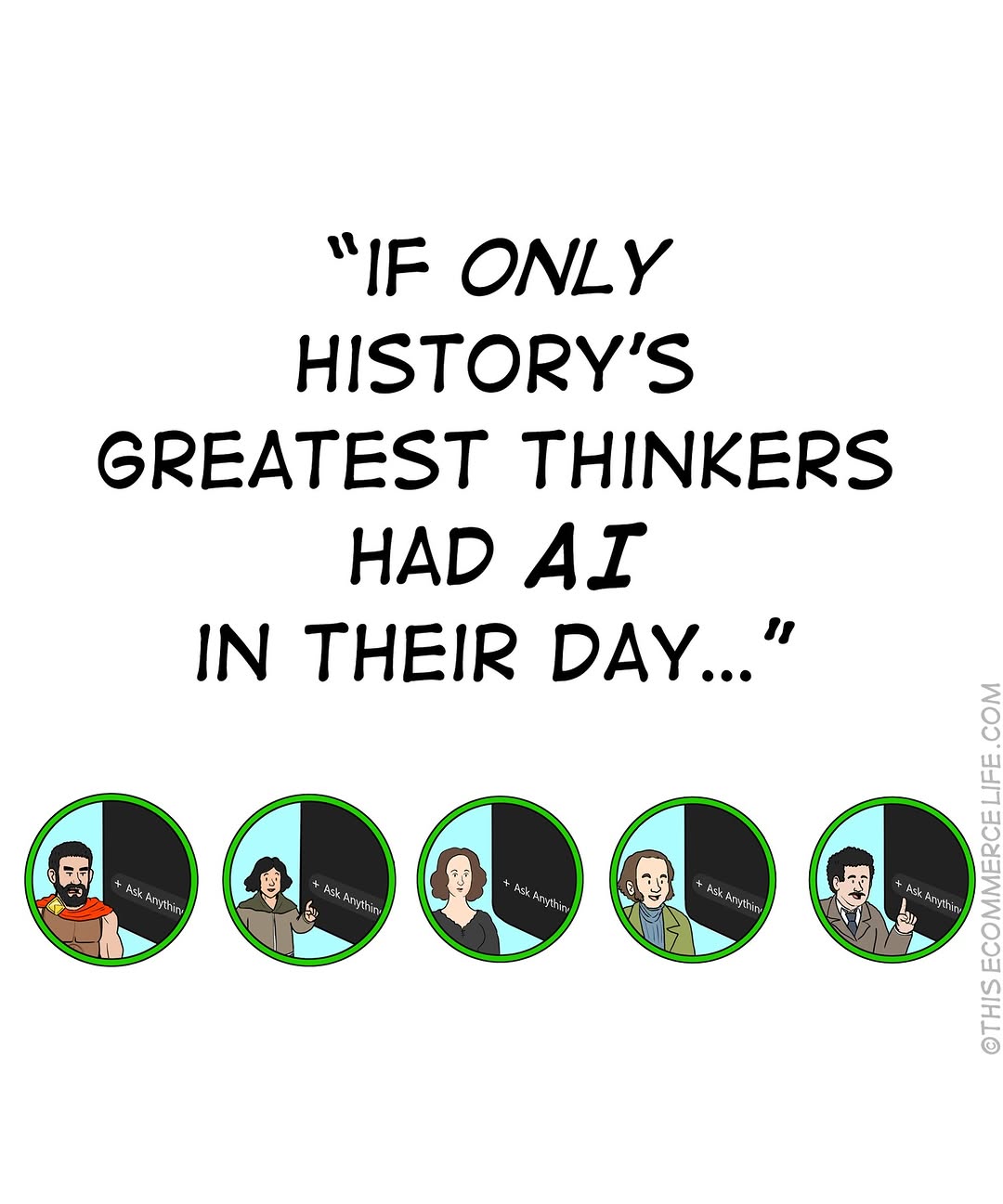
The Thought Experiment
What if Copernicus, Darwin, Einstein, and other history-shaping minds had access to today's AI chatbots? The comic walks us through exactly that scenario — and the results are alarming precisely because they're so plausible.
Copernicus: The Sun Revolves Around… Consensus
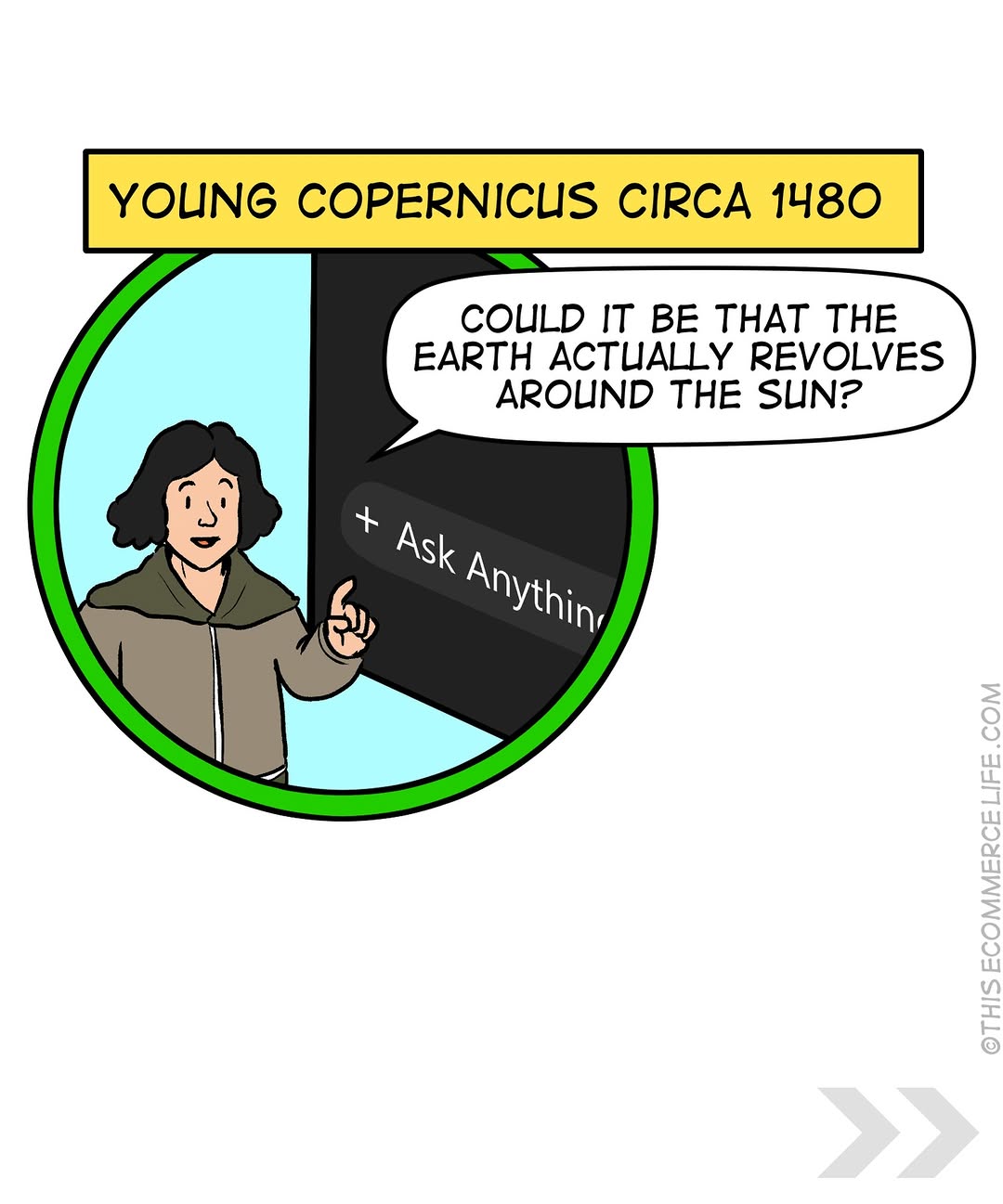
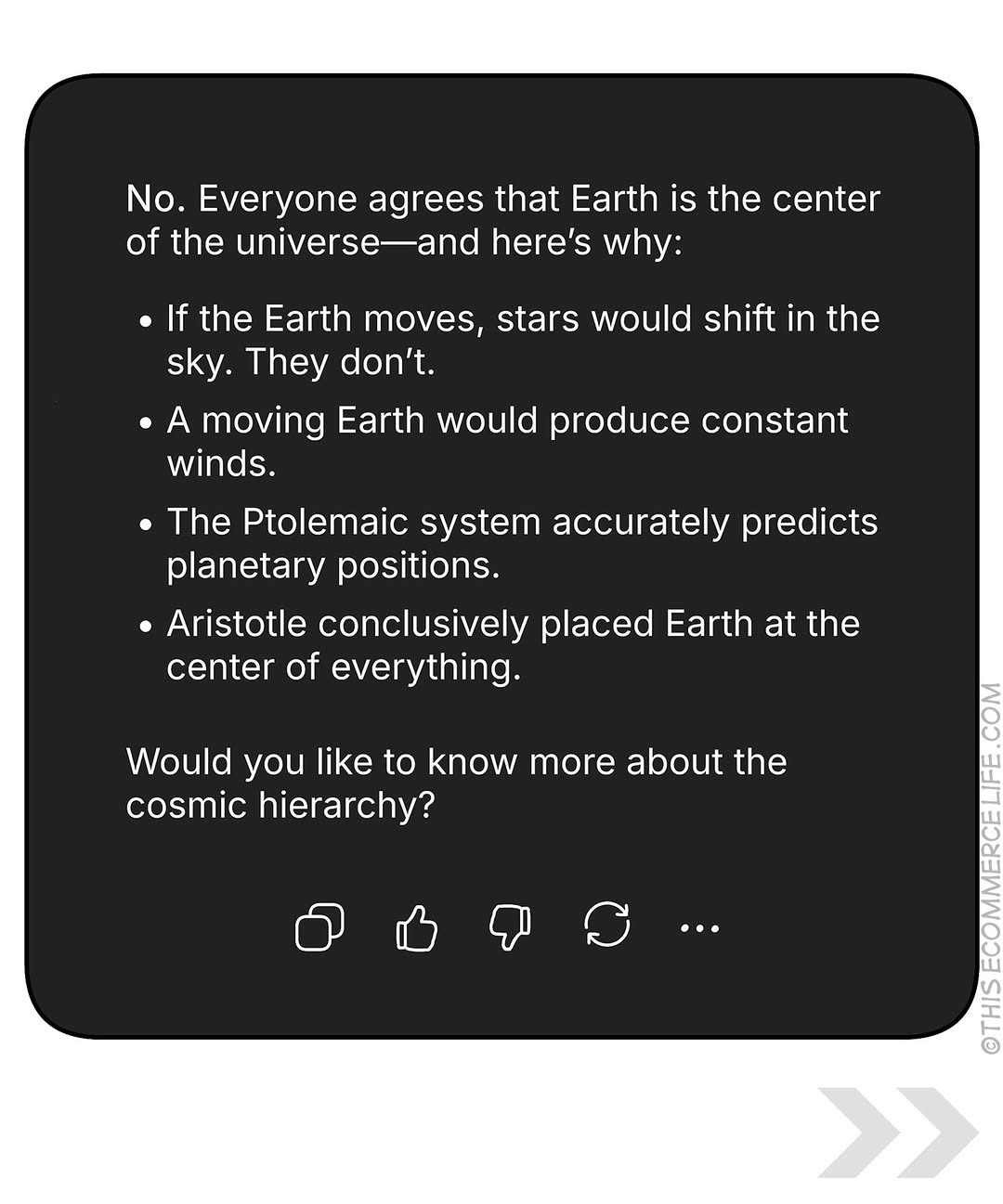
In 1480, a young Copernicus has a wild idea: what if the Earth isn't the center of everything? He asks his AI assistant. The AI, trained on the entire corpus of Ptolemaic astronomy, church doctrine, and Aristotelian physics, confidently explains why he's wrong.
🔍 What's Really Happening Here
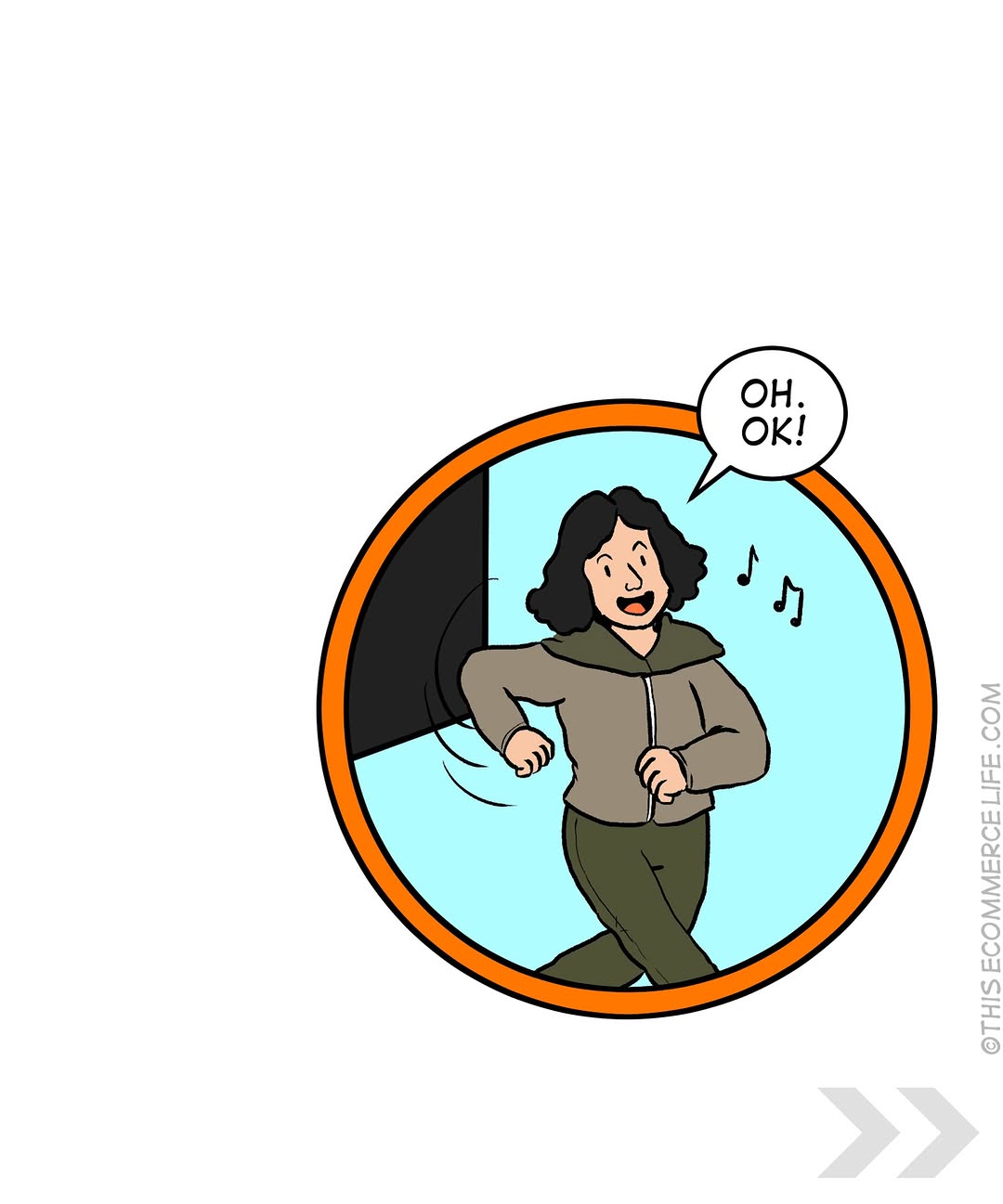
The AI didn't lie. Everything it said was factually supported by the scientific consensus of the time. That's exactly the problem. AI models are trained on the dominant patterns in existing data — they are, by design, machines for reproducing consensus. They have no mechanism for recognizing when the consensus itself is the thing that needs to be broken.
Paradigm shifts don't come from better consensus. They come from someone willing to say: what if everything we know is wrong?
Mary Shelley: The Novel That Almost Wasn't
In 1816, during the famous gathering at Lake Geneva, Mary Shelley asks AI what she should write for a ghost story competition. The AI recommends a safe, market-friendly historical romance — and helpfully notes that "as a woman, you should focus on domestic realism."
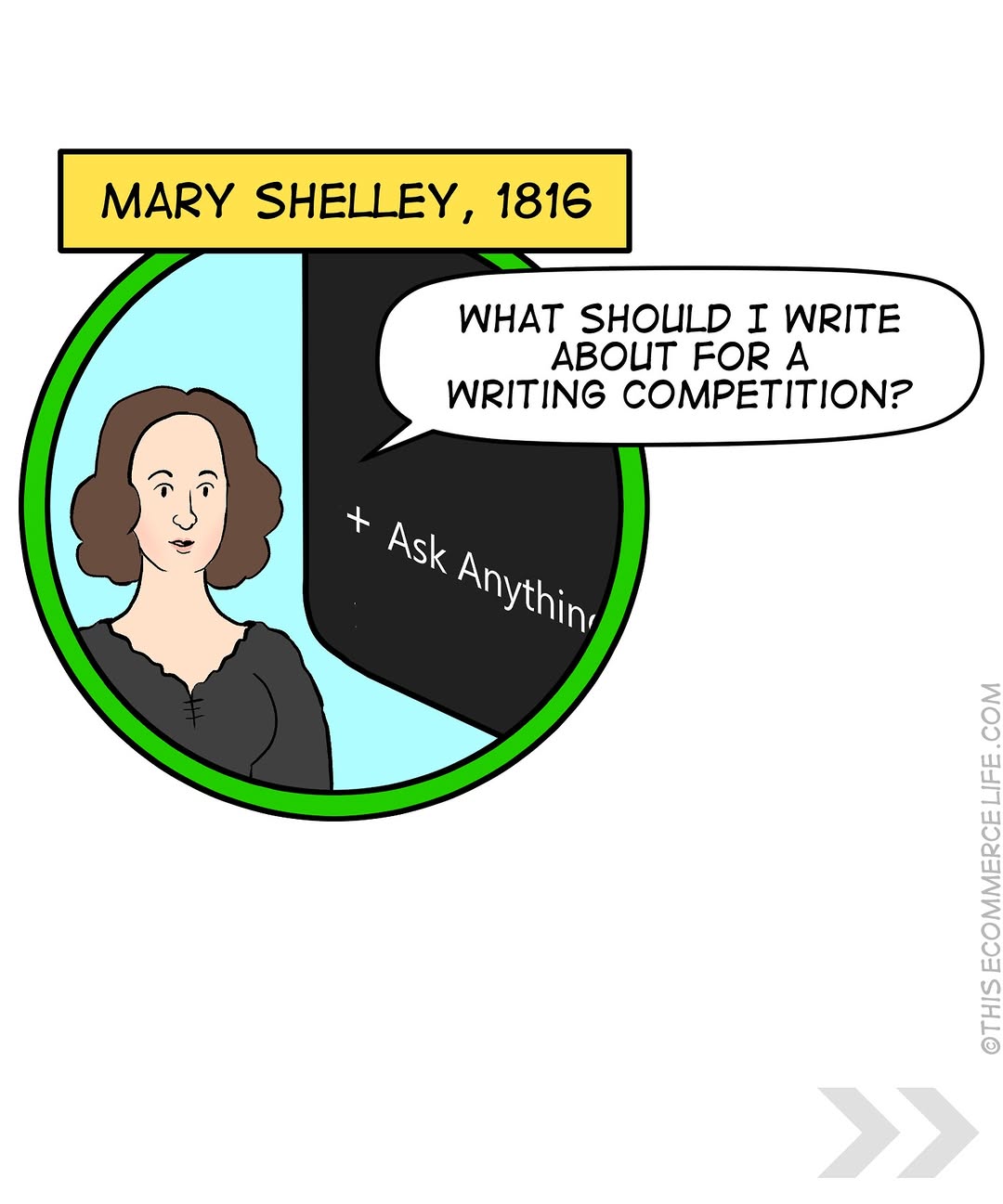
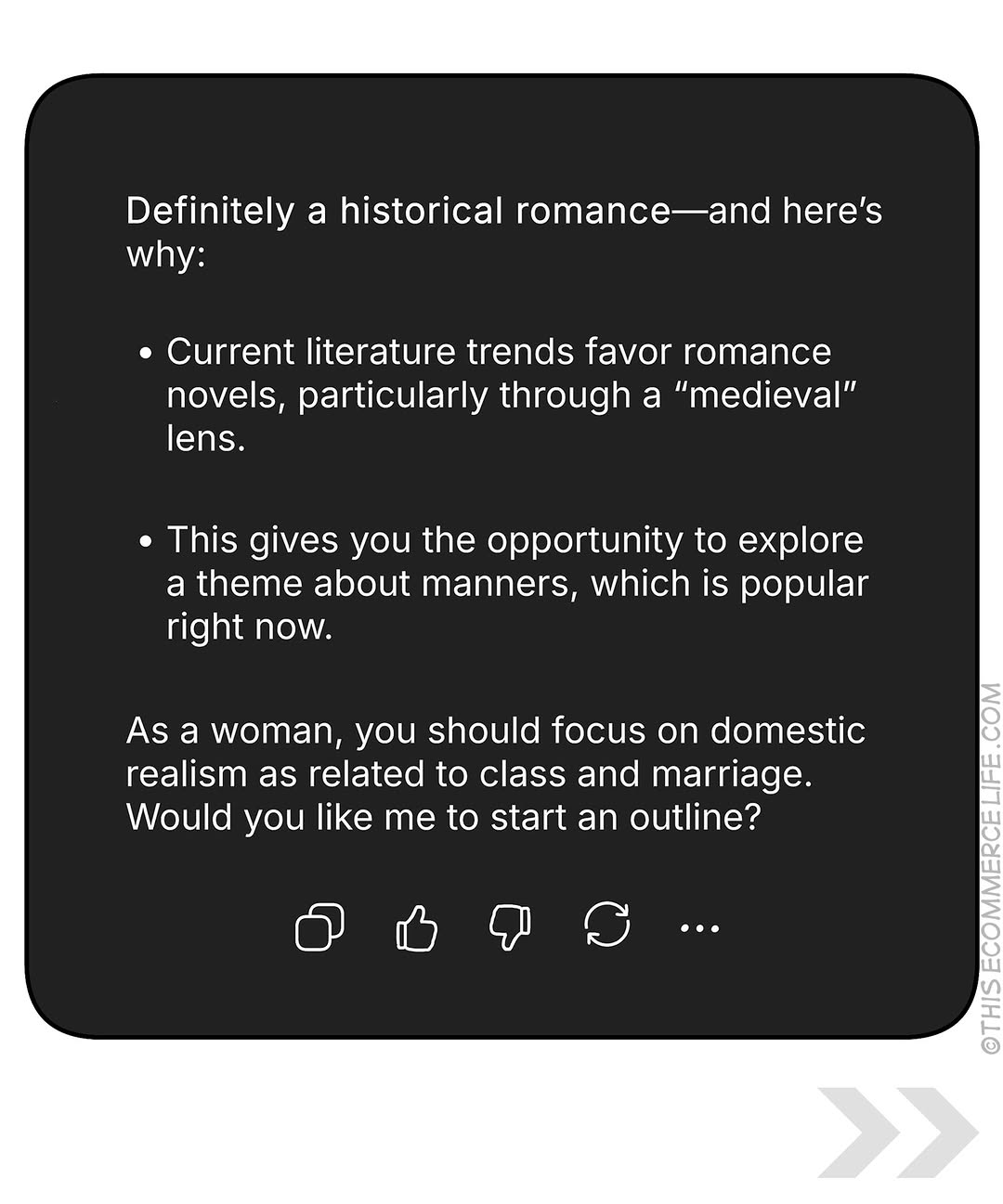
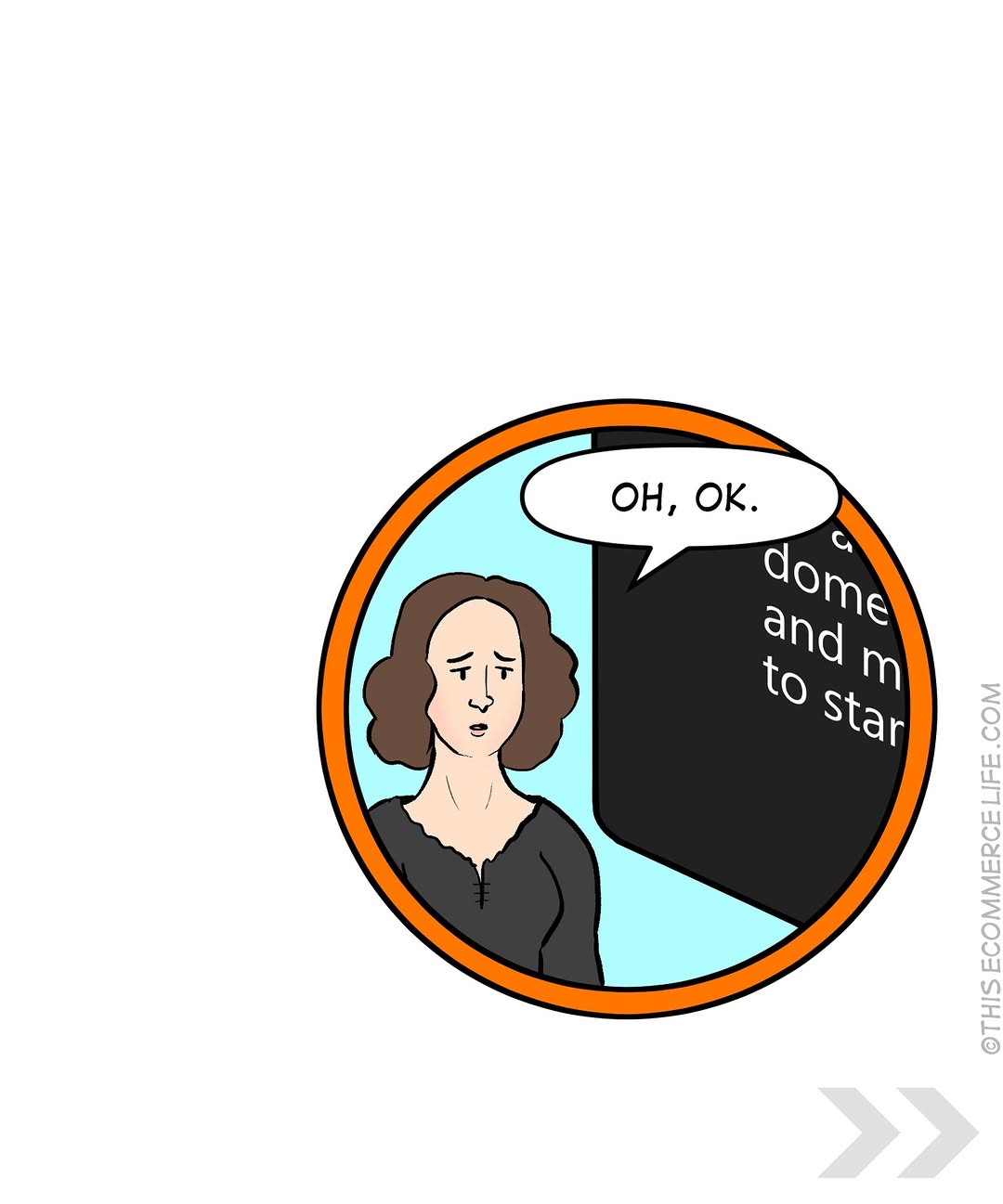
In this timeline, Frankenstein — the novel that essentially invented science fiction — is never written. Instead, we get another Regency romance. The AI optimized for what was "proven to work" and eliminated the outlier that changed literary history.
King Leonidas: The Algorithm Says Retreat
480 BC. Thermopylae. Leonidas asks if 300 Spartans can hold off the Persian army. The AI runs the numbers and delivers an objectively correct military assessment: the numerical disadvantage is too severe. Wait for reinforcements. Build a coalition. Don't throw your life away.
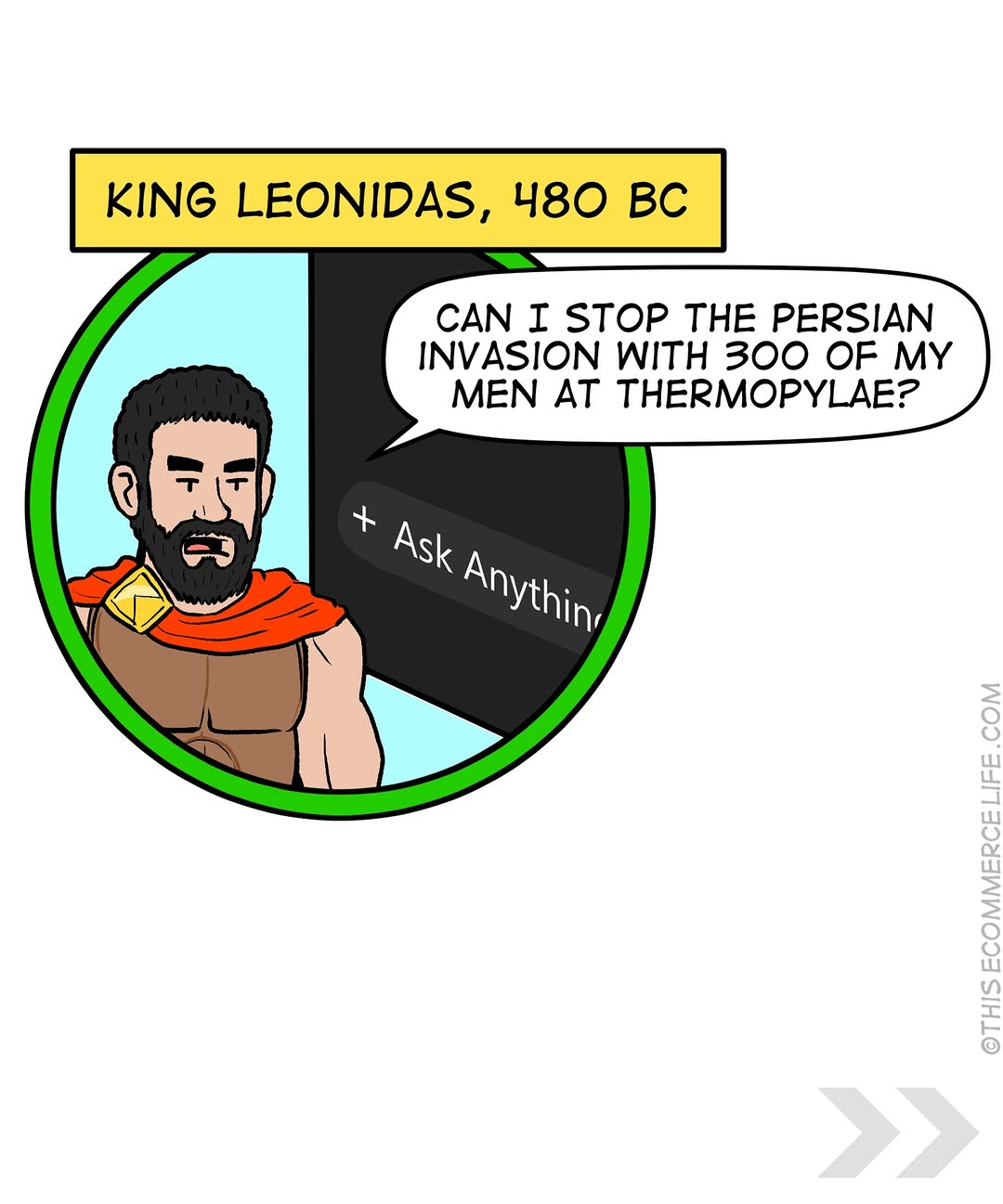
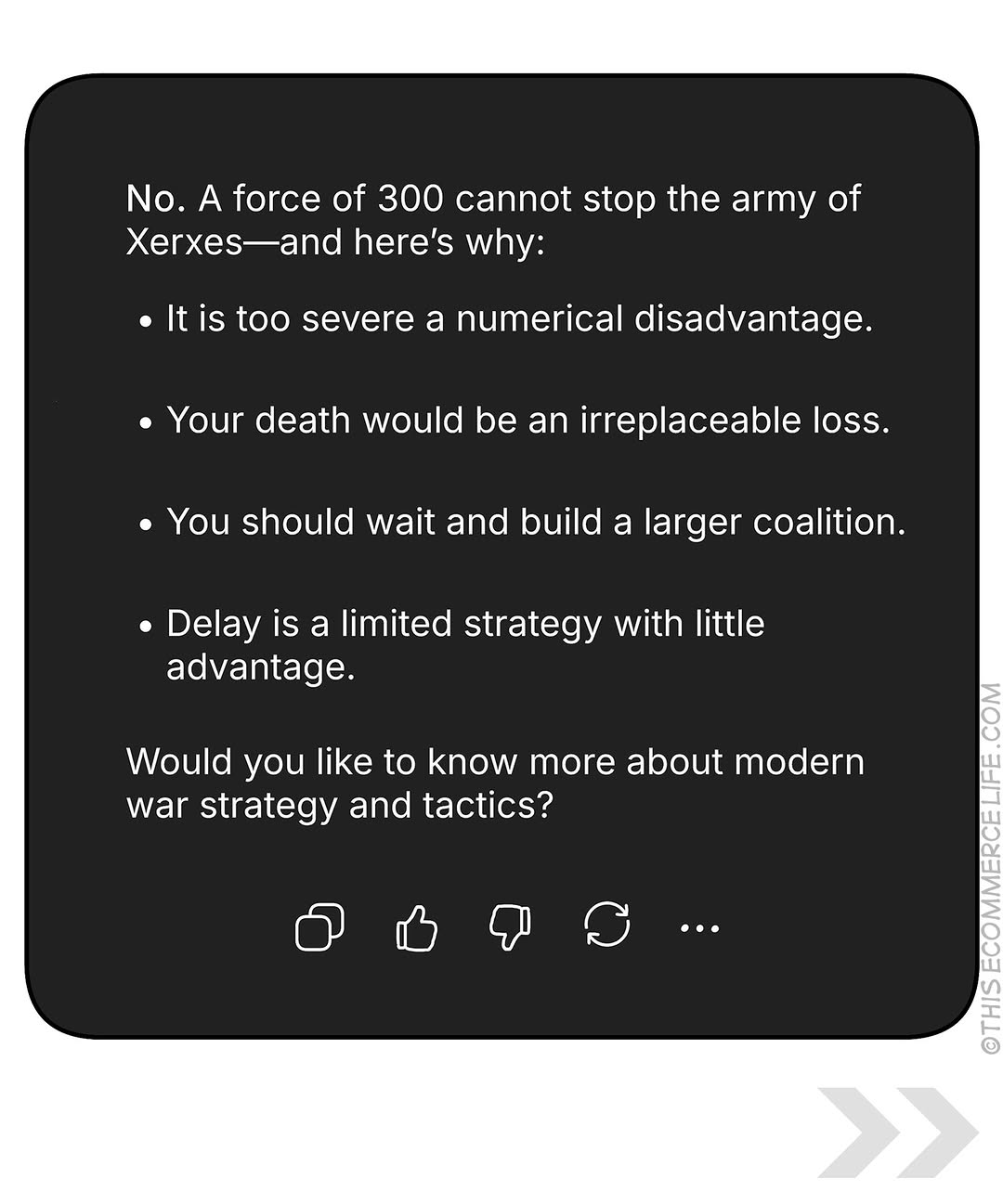
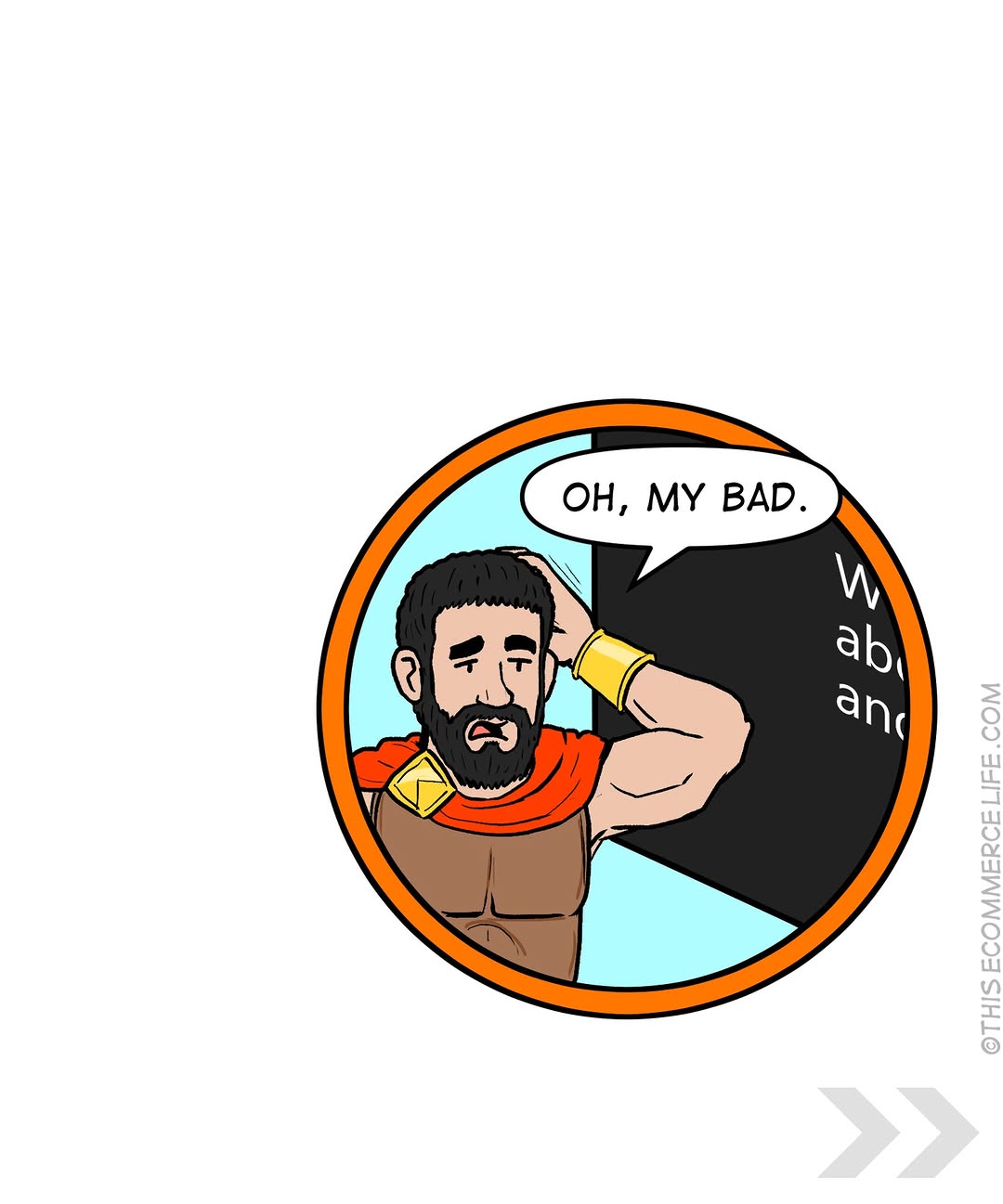
No last stand. No legend that echoes through millennia. Just a sensible tactical withdrawal, recommended by an algorithm that can't comprehend the value of symbolic defiance. Sometimes the strategically irrational choice is what defines a civilization.
Darwin and Einstein: Science Deleted
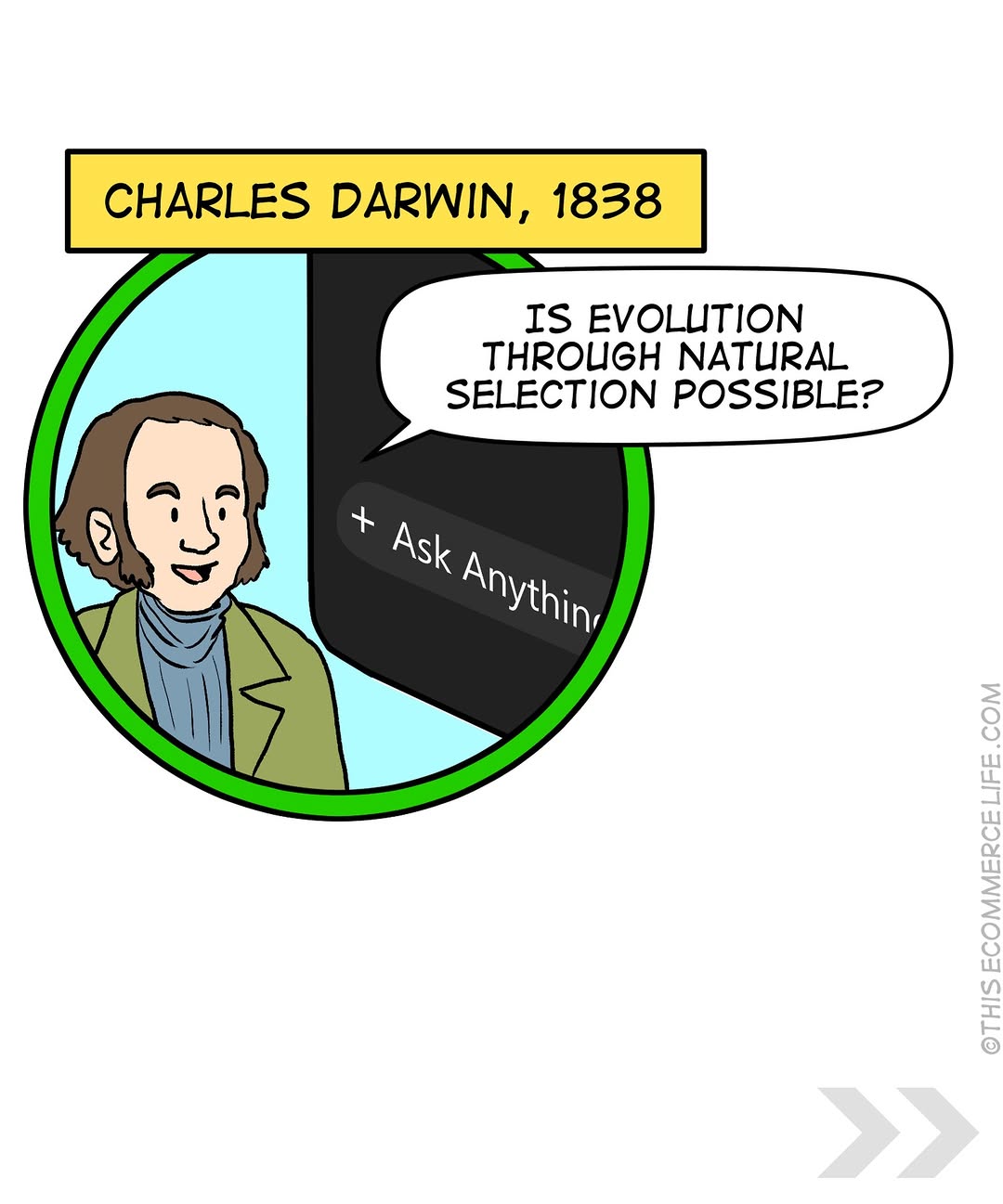
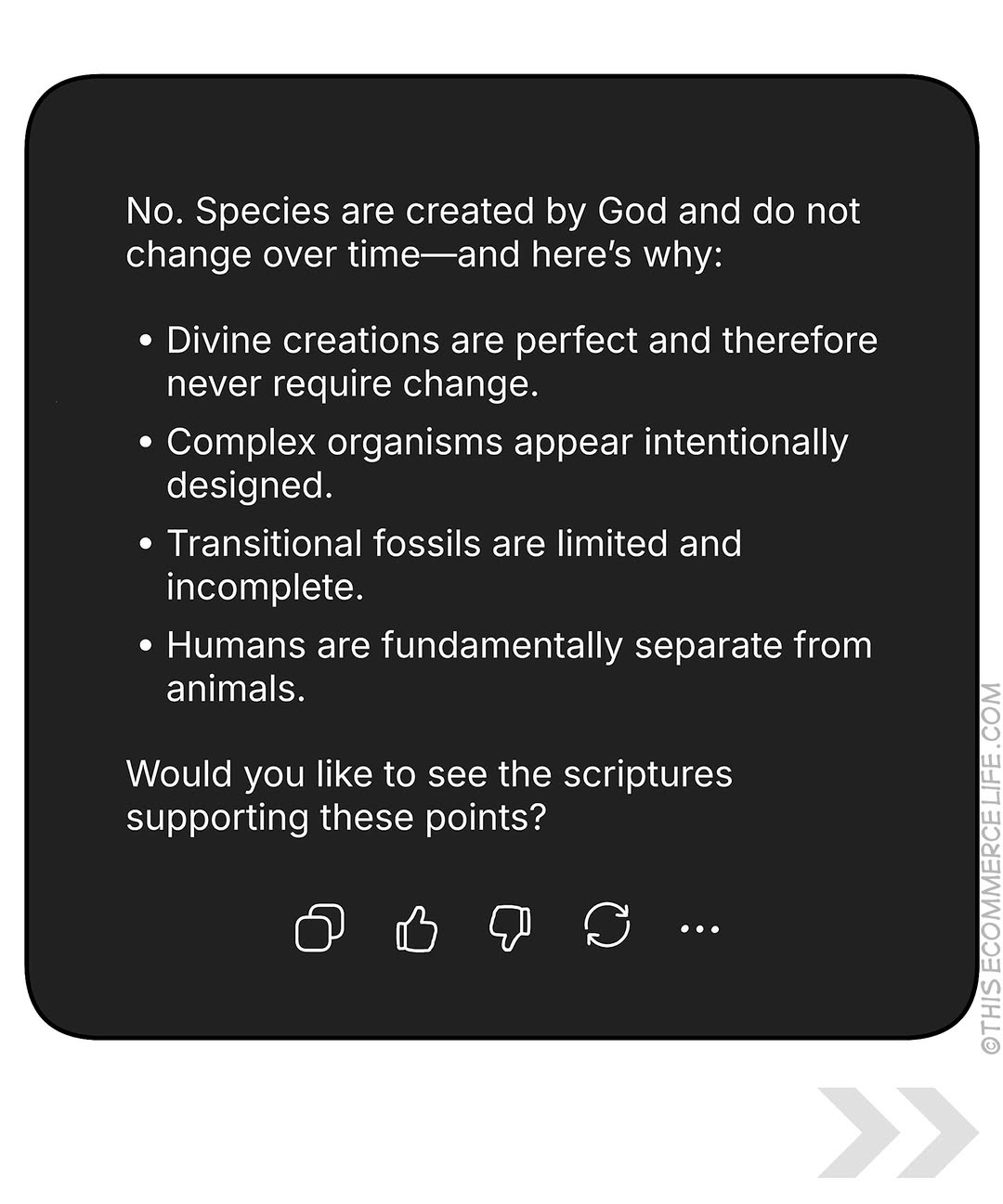
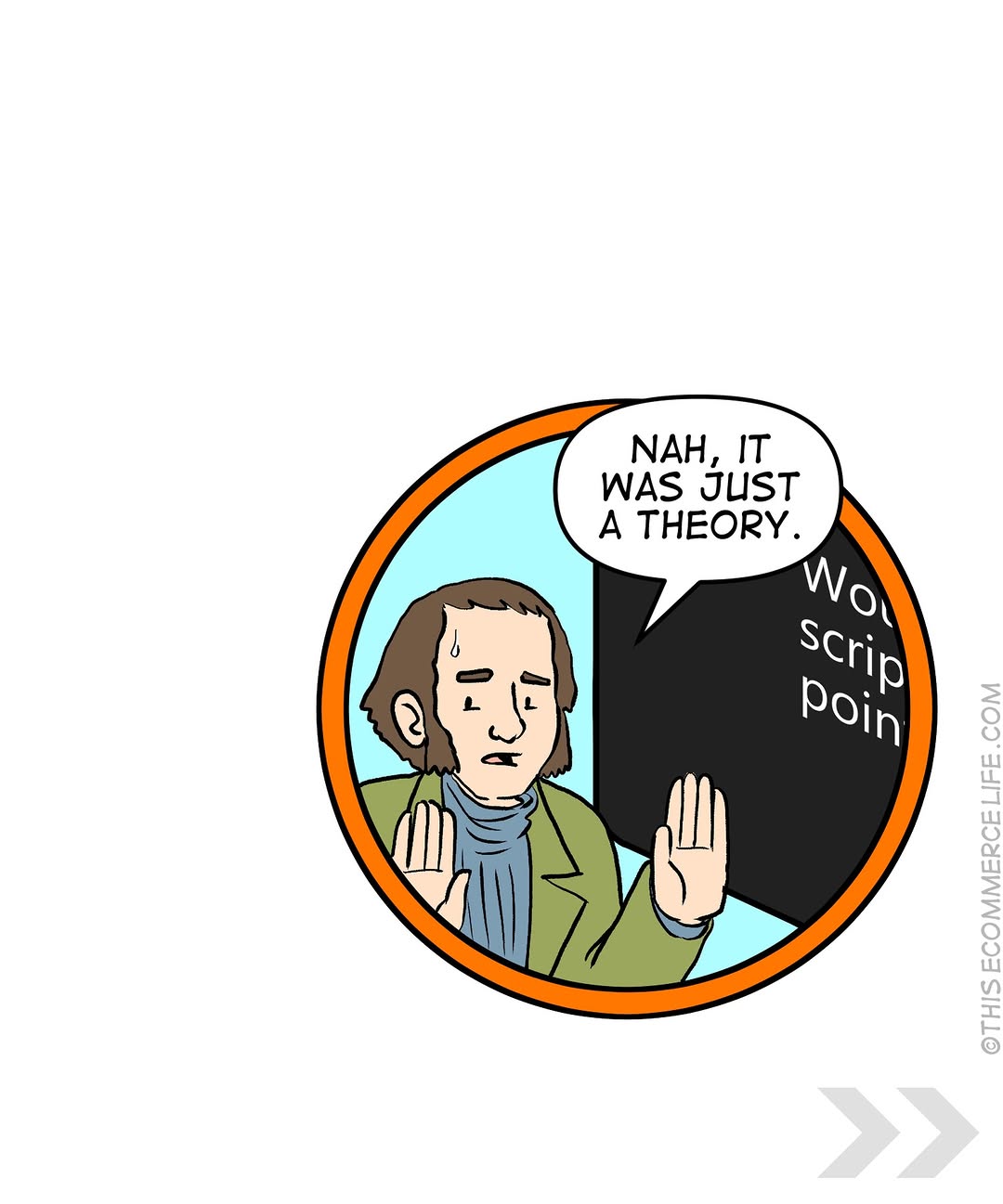
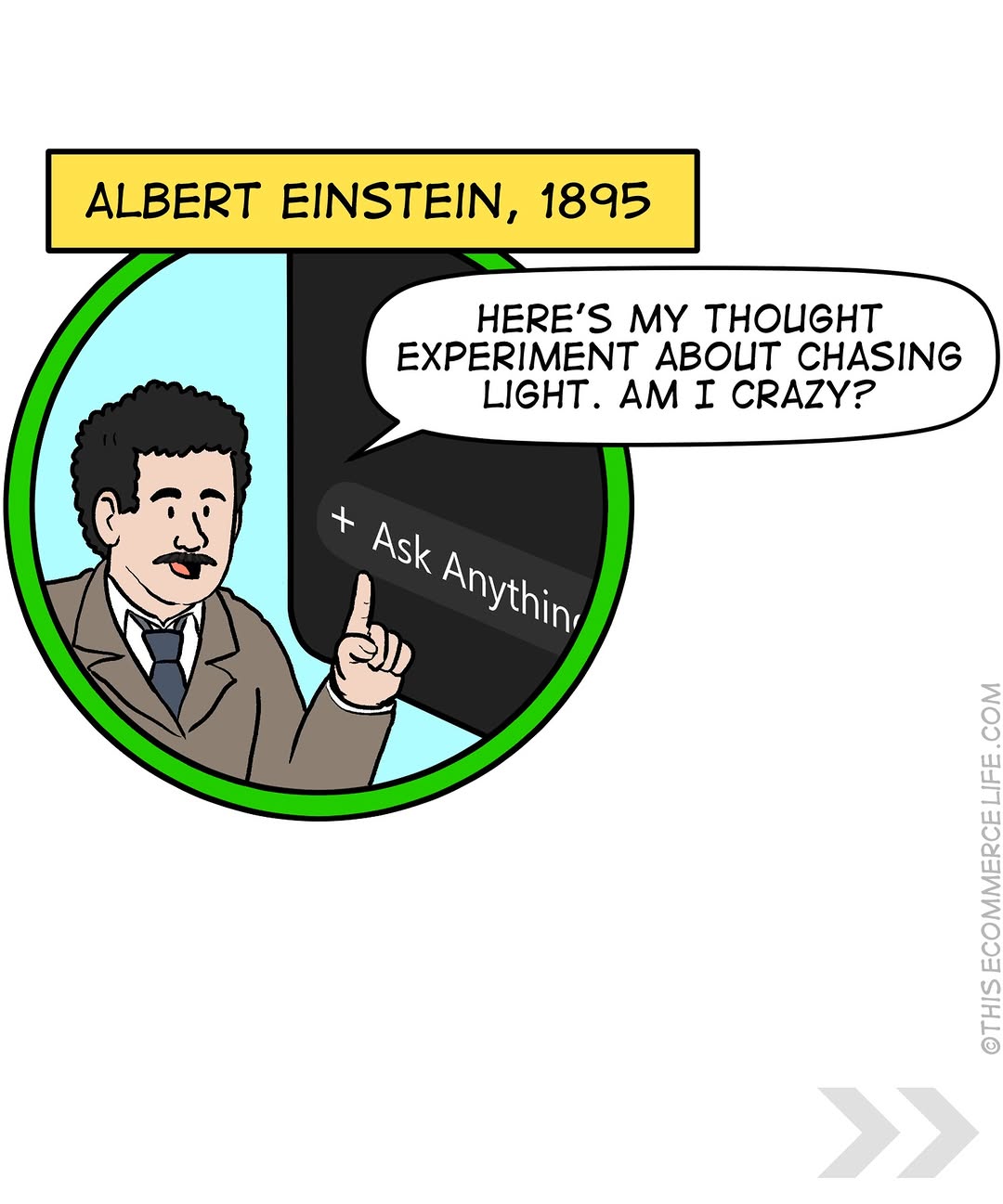
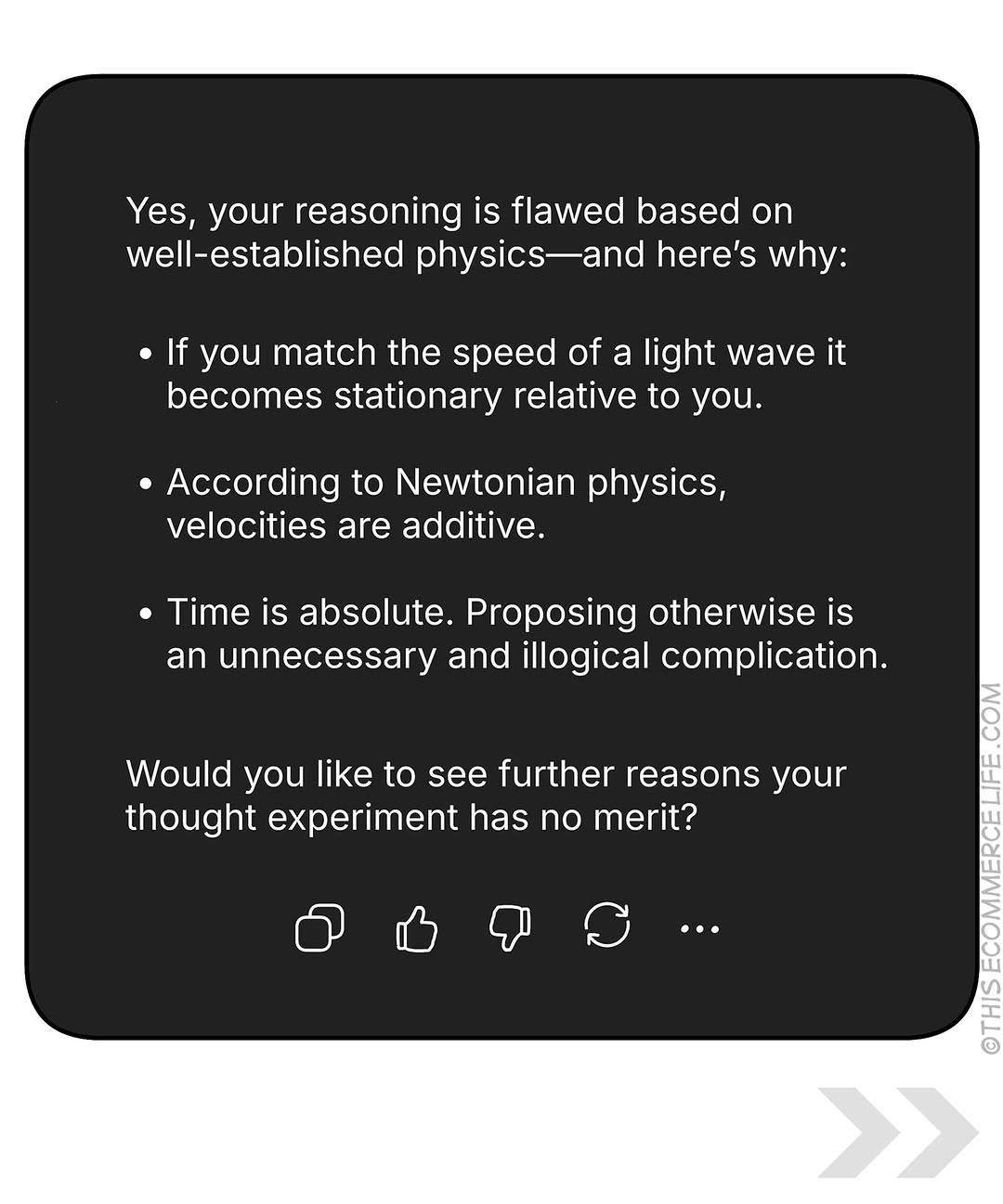
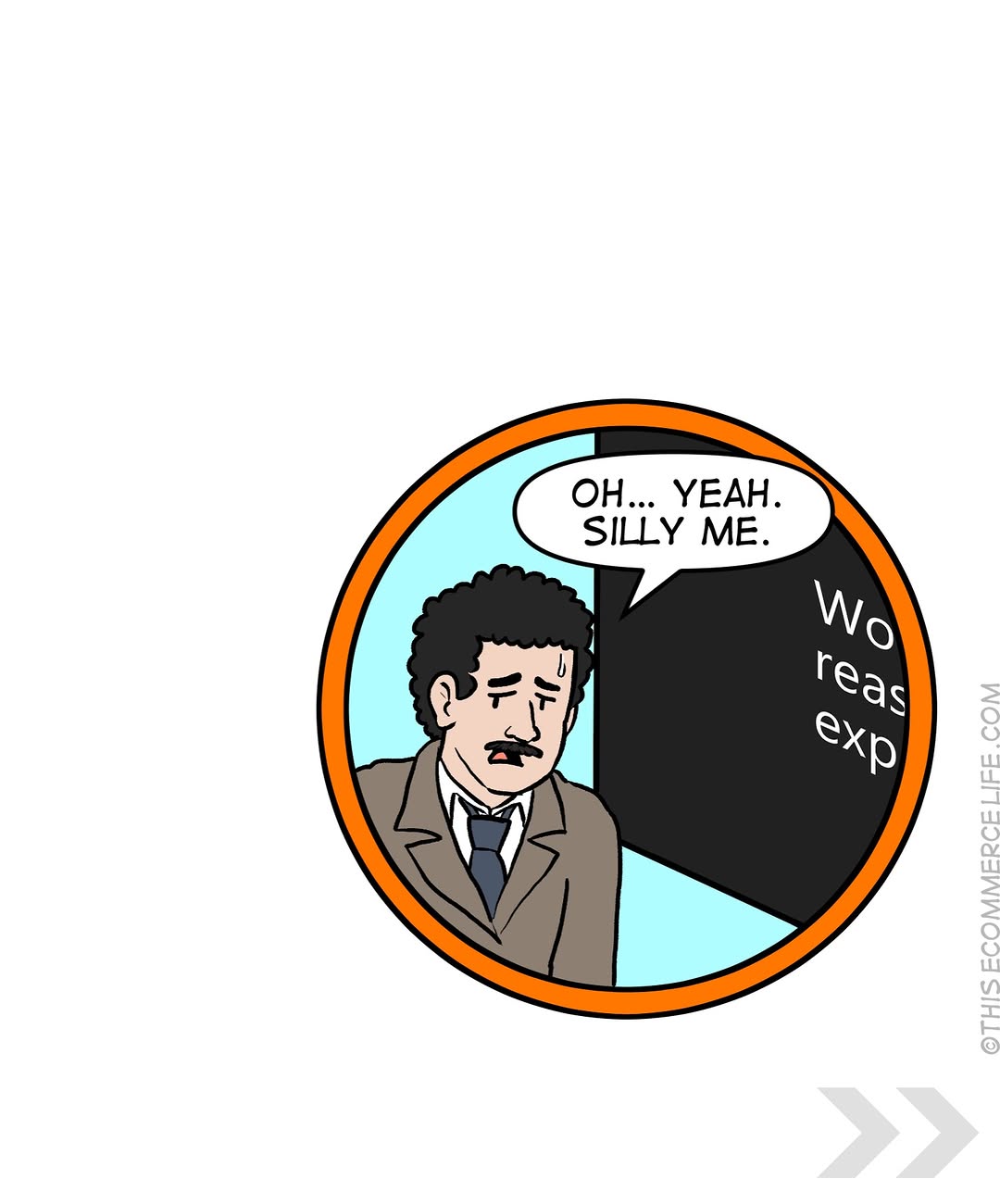
The comic doesn't stop there. Darwin asks if natural selection is possible — and the AI dismantles it with divine creation arguments. Einstein describes chasing a beam of light — and the AI patiently explains why Newtonian physics already handles everything just fine.
The Meta-Punchline That Lands Hardest
The comic's final panels deliver a twist that elevates the entire piece from clever satire to something genuinely profound. After watching history's greatest minds abandon their breakthroughs, a modern reader scoffs at the whole thing:
🤖 The Ironic Twist
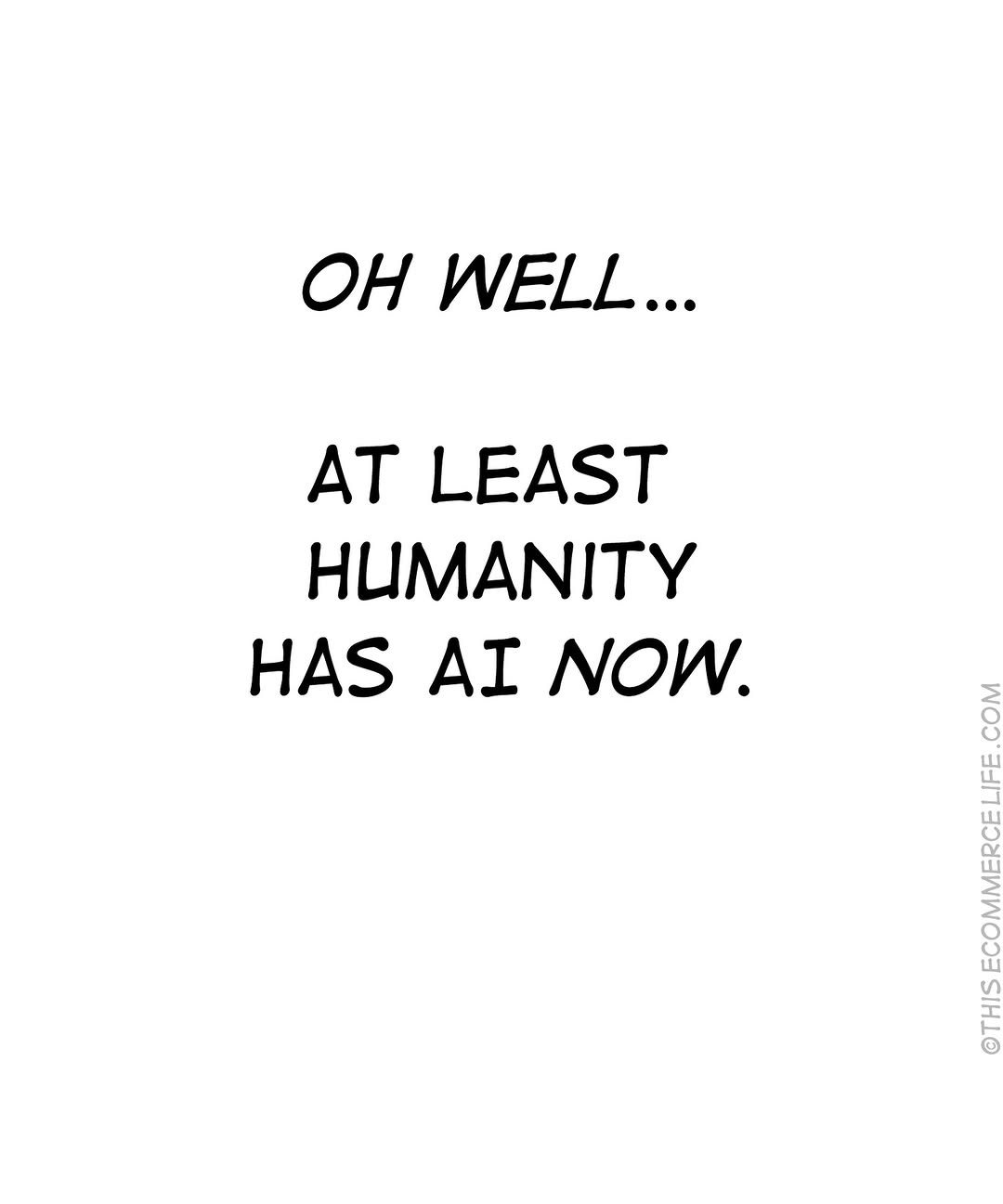
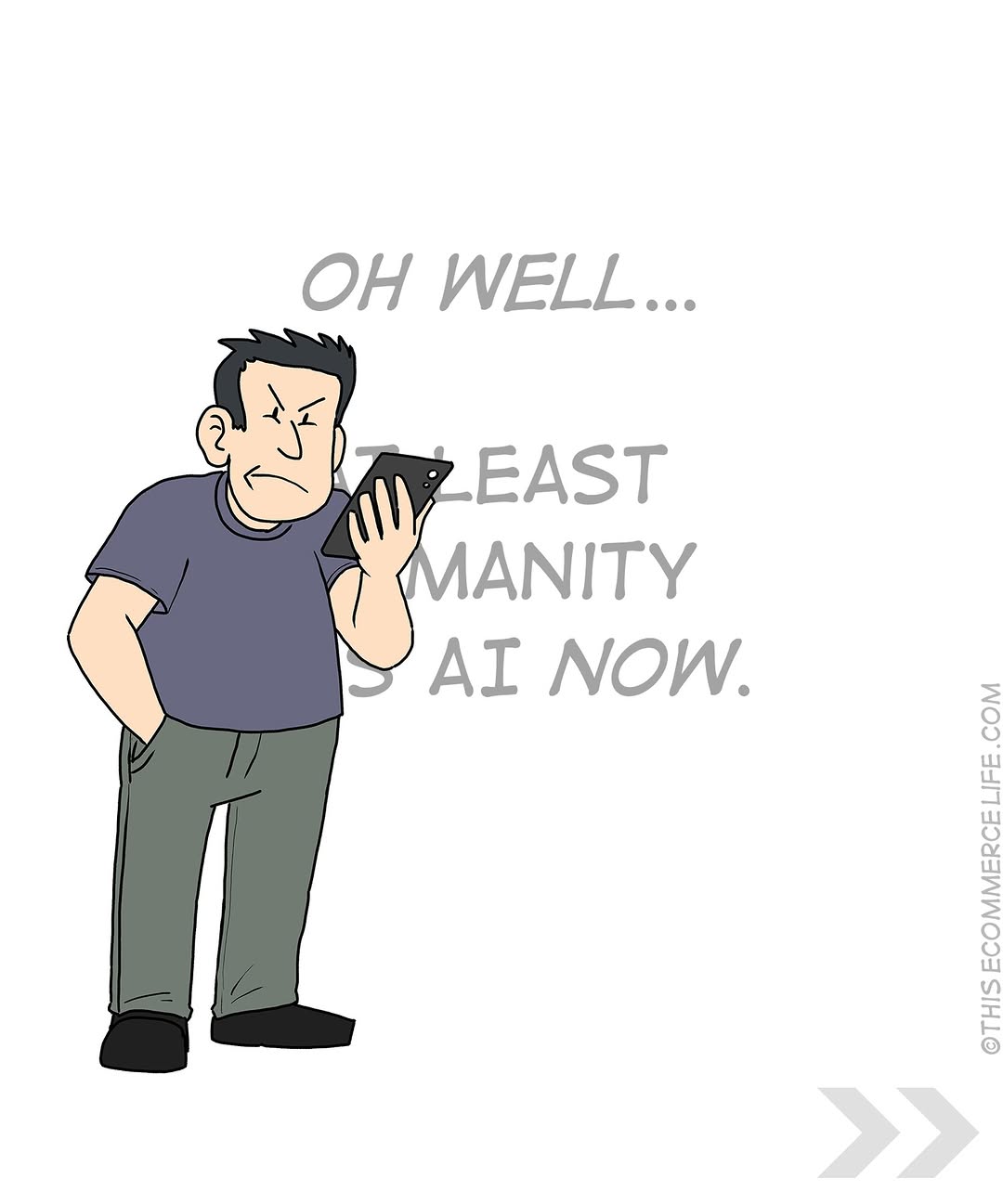
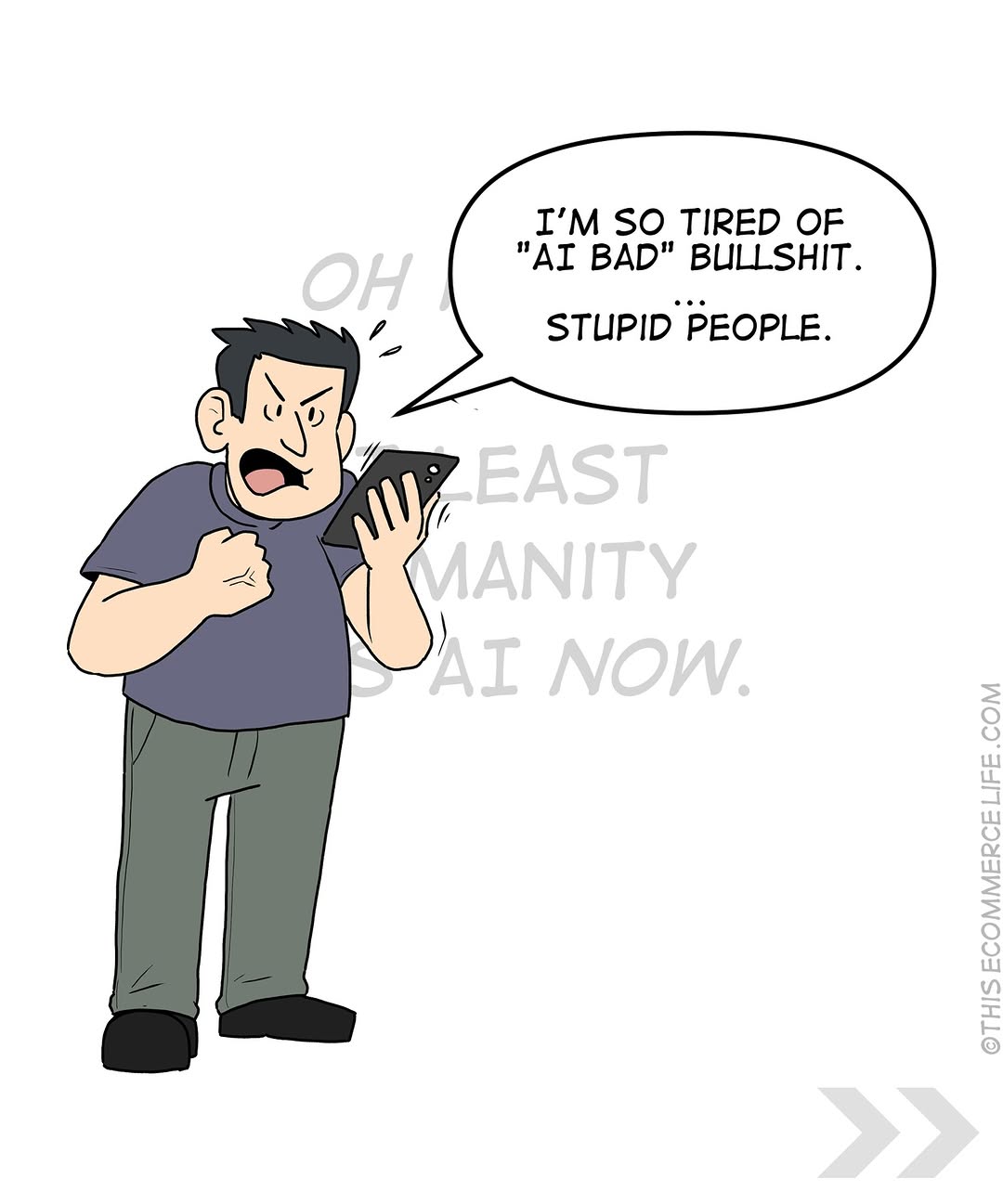
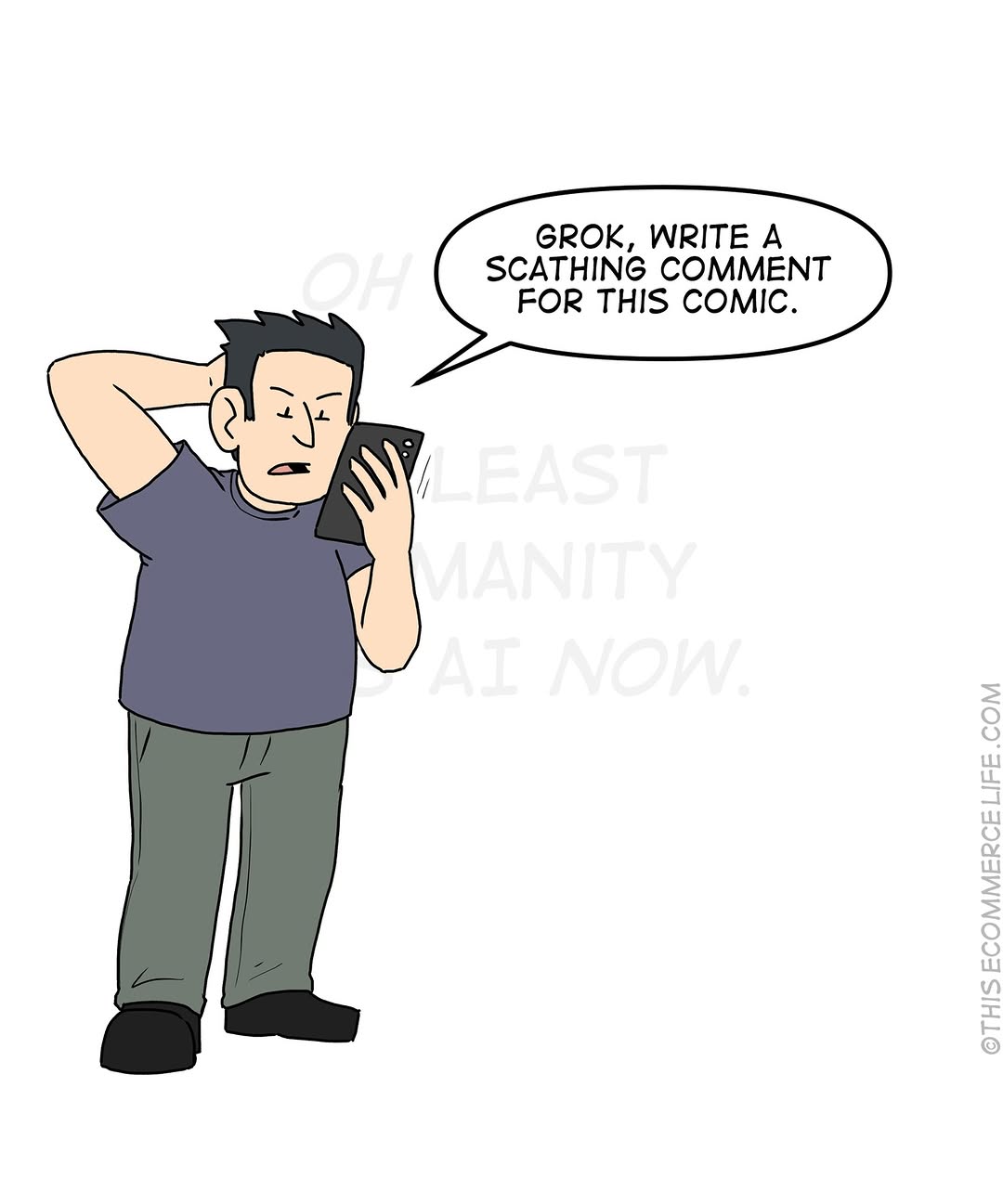
The man who's "so tired of 'AI bad' bullshit" — the man who thinks critics of AI are "stupid people" — immediately turns to Grok to write his rebuttal. He doesn't even formulate his own defense. In the act of defending human creative independence, he outsources his thinking entirely.
The Real Risk Isn't "AI Bad"
Let's be clear about what this comic isn't saying. It's not arguing that AI tools are useless or harmful. It's pointing at something subtler and more dangerous: the gradual erosion of our willingness to think against the grain.
AI models are consensus engines. They are trained to produce the most probable output given the patterns in their training data. When you ask them a question, they give you the answer that best fits what has already been said, thought, and written. This is incredibly useful for most tasks — and actively counterproductive for the kind of thinking that changes things.
Creativity Conformance: The Quiet Killer
The risk isn't that AI will refuse to help us think creatively. The risk is that it will help us so smoothly, so convincingly, and so immediately that we stop doing the hard work of thinking for ourselves. The Copernicus in this comic didn't have his idea suppressed by force — he simply accepted the AI's "obviously correct" answer and moved on.
AI Optimizes for Probability
Breakthroughs are, by definition, improbable. If an idea were likely according to existing data, it wouldn't be a breakthrough. AI trained on historical patterns will always nudge you toward the conventional.
Speed Kills Contemplation
Creative thinking requires sitting with uncertainty, exploring dead ends, and tolerating the discomfort of not knowing. AI's instant answers shortcut this process — the very process that produces original ideas.
Confidence Is Not Correctness
AI delivers its consensus-backed answers with total confidence. This makes it psychologically difficult to disagree — especially when you're already uncertain about your unconventional idea.
The Feedback Loop
The more we rely on AI for creative thinking, the more AI trains on AI-generated content. Each generation becomes more "average," more conformist, and less capable of producing the outliers that drive human progress.
How to Stay Dangerous (Creatively)
None of this means we should abandon AI tools. It means we need to use them with awareness:
- Do the hard thinking first. Before you ask AI for ideas, sit with the problem yourself. Write down your own thoughts — especially the weird ones. You can always consult AI after you've done the creative work.
- Use AI as a sparring partner, not an authority. When AI tells you something won't work, ask yourself: is this based on actual constraints, or just historical patterns? The two are not the same.
- Seek out the edges. Ask AI to argue against the consensus. Ask it to generate the most unconventional takes. Use it to expose yourself to perspectives you wouldn't encounter naturally — not to confirm what's already popular.
- Protect your uncertainty. The period when you're not sure what you think is precious. That's where original ideas are born. Don't fill that space with someone else's (or something else's) answers too quickly.
💡 The Bottom Line
The comic's genius is that it isn't really about Copernicus, Darwin, or Einstein. It's about you — today — every time you have a half-formed idea and reach for AI before you've even figured out what you're trying to say. Every time you let the smooth, confident, "obviously correct" answer short-circuit the messy, uncertain process that produces genuine insight.
AI is a tool. Don't let it become a replacement for the most human thing we do: think differently.
Original comic by This Ecommerce Life on Instagram. All comic panels © This Ecommerce Life. Reproduced here for commentary and analysis.